.jpg)
Woods, Waters, and Wildlife
I woke up too early today. It was dark. And still.
Arising early and accidentally waking my wife is to be avoided. She works every other week. This was her week to sleep-in. I knew better than awakening her. But I had a newspaper column to write about.
Lying there, considering my options, memories of past hunts came to mind - that time 20 of us boarded a chartered bus in the dark to head to Brewster County for my first pronghorn hunt; cold mornings in deer camp when dressing quickly in warm clothes was imperative; and cherished quail hunts with Bev Lloyd during Zapata County’s early season.
My reverie was silently interrupted. A soft, warm questioning breath of air on my arm told me my hunting dog was cautiously asking if it was time for his morning walk.
Dogs add a distinct dimension to quail hunting. You CAN hunt quail without one, but watching a bird dog working is poetry in tail-wagging - motion. And a retriever bringing downed birds to the shooter is as rewarding to hunters as triggering a good shot.
Dogs also mitigate wounded bird loss. Hunting in South Texas with TPWD Commission Chair, Katherine Armstrong, I made an unusually good shot (for me) on a covey rise. But to our disappointment, the bobwhite disappeared from the grass where it fell. A dog would have found it before the wounded bird located a hole to hide in.
There should be ample opportunities for taking bobs and blues this season in the Rolling Plains (RP), High Plains, and West Texas, according to reports from the Rolling Plains Quail Research Ranch. Some say it could be the best year since 2017. Others say it will be similar to 2014; optimists say it’ll be better – at least in the RP. My on-ground source has been telling me of seeing active coveys since early summer, and recently.
Other areas with improved habitat and adequate rainfall will have some birds but not the quality hunting like the regions mentioned above. The Hill Country reports seeing more bobwhites than usual, but that just means it’s More than “Meager.” Drought and heat have taken a toll. Reports say the Edwards Plateau still doesn’t have huntable populations.
South Texas
Reports from several sources, including TPWD personnel, say needed rain didn’t come at the right time, consequently there’s a shortage of bugs to nourish the quail. Subsequent hatches produced young quail resembling bumblebees, but the population is lower than last season.
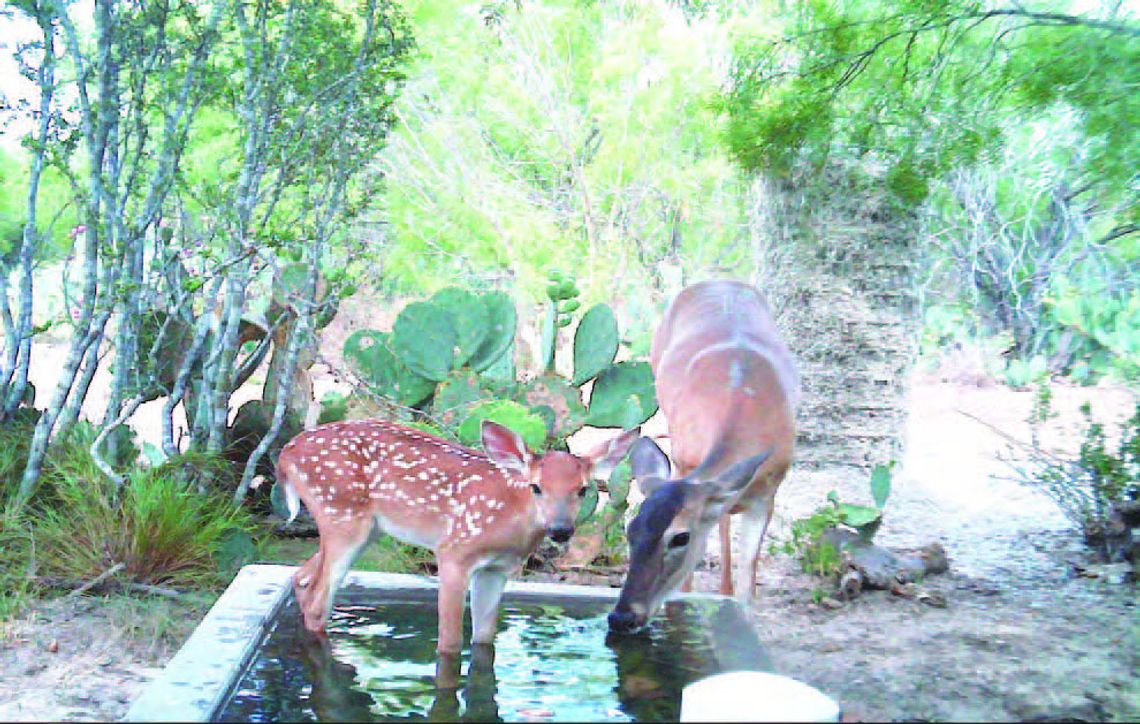
One South Texas rancher/ friend tells of removing from his large ranch most of the hogs, high numbers of racoons, and plenty coyotes -- the worst quail nest revengers. He also heavily increased water troughs for quail and shaded them under trees to reduce evaporation. He now has considerably more quail than previously.
Except where intensive habitat improvements have been employed, though, heat and drought have reduced Brush Country quail populations from its former glory.
But it’s still HUNTING to Hunters … and to hunting dogs.