.jpg)
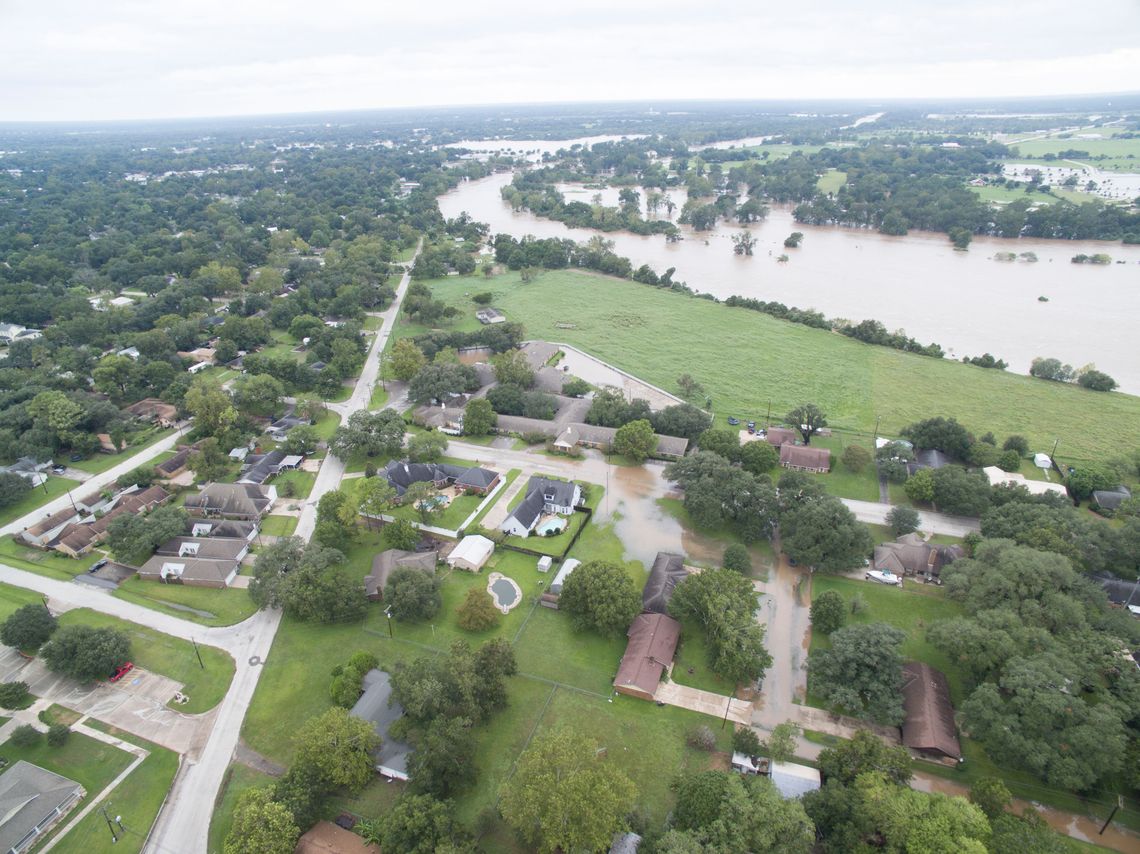
Columbus City Council heard concerns about flooding and increased property values from North Oak residents before approving the annexation of 14 acres of future subdivision development, Monday, Jan. 26.
Almost a dozen residents from North Oak Drive and North River Drive attended the meeting to witness the second and final hearing for the city to annex the nearby property. The tract of land has been purchased to be developed into a new subdivision of 27 one-story homes. Mayor Lori An Gobert said the annexation does not give approval for development.
“[The annexation] is of interest to the council and, I would think, the citizens because right now with it staying in the county, they can do whatever they want. There’s no zoning, there’s no ordinances, no really anything,” Gobert said. “… It’s just bringing the parcel into city limits which will give us more ability to have some say on what happens to it.”
Place 5 Councilmember Chuck Rankin added that Columbus cannot choose to annex land to grow due to its size. Under state law, cities with populations under 5,000 cannot initiate annexation and can only annex with the consent of the property owner, typically through an application process. As of the 2020 census, Columbus’ population was 3,699.
Citizen William “Bill” Durbin spoke first during the public hearing on the annexation. Durbin echoed flooding concerns but said future development done properly could result in better drainage than present. Durbin also introduced a new concern: possible property tax increases.
“I think there is a concern that the property improvement will impact the property values in the area, raising the value of the 14 acres,” Durbin said. “…That’s an issue for the appraisal district to make that judgement.”
Citizen Debbie Damon reiterated her flooding and drainage concerns to the council. She said the area flooded significantly during Hurricane Harvey in 2017 and previously called the development “a serious disaster waiting to happen.”
“If this property is developed as they are proclaiming, they are going to have to raise the elevation of the ground to build up houses higher,” Damon said. “But what is it going to do to the existing homeowners that are still there?”
City Manager Donald Warschak presented drone photos taken of the flooding after Hurricane Harvey. The photos displayed that the annexed tract remained out of the floodwater due to being at a higher elevation. Citizen Chris Christensen questioned stormwater runoff draining to the nearby streets and homes.
“The concern is the developed area for annexation is higher than your ground, so runoff is going to have to go somewhere,” Christensen said.
Project engineer Darren McAffee with Quiddity, the developer’s contracted civil engineering firm, explained that the North Oak community primarily floods when the east portion of Colorado River rises and backs up. The Colorado River bends in a horse-shoe shape around the North Oak community and the annexed property. The annexed property borders the west portion of the river and drains inward towards the North Oak community. Drainage from the annexed property occurs before floodwaters rise and backs up on the east side, which worsens flooding conditions.
To prevent increased flooding risk and mitigate runoff concerns, McAffee said the development will redirect stormwater runoff outwards back to the Colorado River before the river floods on the east side.
“We totally understand your concerns about the drainage in this area. Part of my primary responsibility is to ensure that this development doesn’t increase direct runoff onto adjacent properties,” McAffee said. “…We also don’t want to increase floodwaters to anybody.”
McAffee said Quiddity is working on the development plans and floodplain analysis and will submit them to the city for review once completed.