.jpg)
The Texas Commission on Environmental Quality (TCEQ) will vote to approve an application from the Lower Colorado River Authority (LCRA) to loosen restrictions and monitoring of coal byproducts from the Fayette Power Project in a meeting, Thursday, April 30, in Austin.
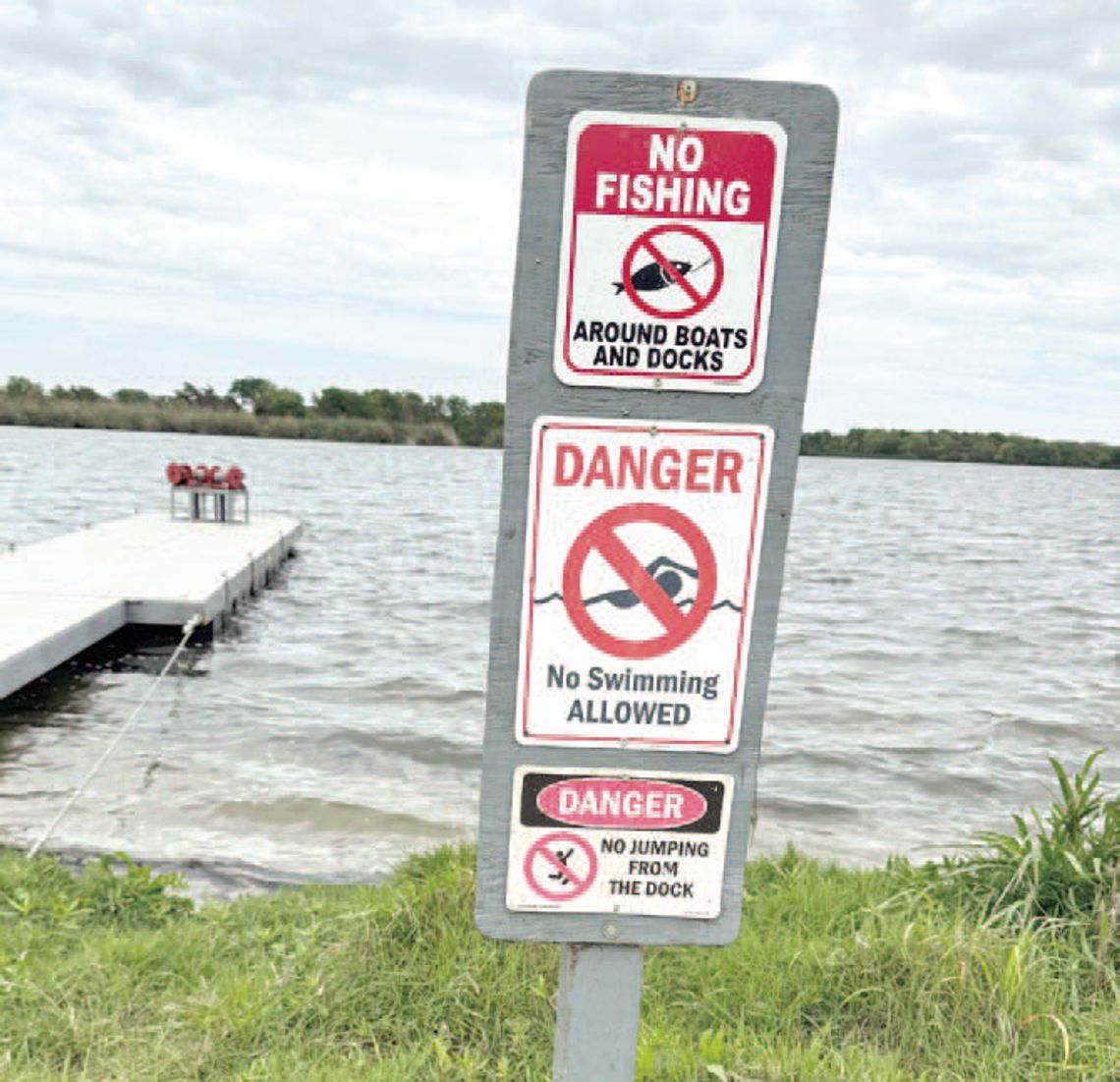
Located between La Grange and Ellinger, the Fayette Power Project (FPP) discharges its wastewater with coal byproducts to Lake Fayette, ditches, ponds and tributaries directly connected to Cedar Creek and the Colorado River. LCRA operates under a permit issued by TCEQ that outlines limits on pollutants, monitoring procedures and other regulations. In May 2025, LCRA submitted a request to TCEQ to amend various parts of the permit’s regulations.
Primarily, LCRA requested for the limits on selenium to be removed completely. Selenium is a toxic material produced in coal ash that will bioaccumulate, or build up in organisms faster than they can process and excrete it. As selenium and other bioaccumulative chemicals move up the food chain, like from soil to plants to cattle or people, the concentration exponentially increases.
“The decision to apply a selenium limit to the coal pile runoff discharges…were made without specific knowledge of whether the coal would be a significant source of selenium or not,” LCRA wrote in its application. “Many years of monitoring data have demonstrated that the coal pile wastestream is not a significant source of selenium.”
However, Jerry Moerbe, a Fayette County resident with around 50 years of executive engineering and operational oversight in the oil and gas sector, claims LCRA’s raw data from groundwater monitoring wells tells a different story. Moerbe said all 23 wells have pollutant levels that exceed the permit’s and federal limits. These pollutants include cobalt, arsenic, lithium and selenium.
“The raw data shows us exactly what toxic metals are leaking straight out of the coal ash ponds and into our local groundwater right now,” Moerbe said. “The LCRA’s final calculations use a math trick called dilution, which blends the pollution with massive amounts of river water on paper to make the numbers look much smaller.”
Fayette County resident Elizabeth Parry has experienced a direct impact from high selenium levels— the partial amputation of her cat’s paw. Parry lives about five miles away from FPP and relies on well water. After finding embedded crystalline material in her cat’s paw accompanied by lesions and chronic inflammation, she had medical pathology and heavy metal testing conducted on the cat that revealed elevated selenium levels.
“This proves that toxic, inorganic silica has physically coated the soil of my property,” Parry wrote in a formal hearing request to TCEQ. “The daily ground contact with this deposited coal ash has caused severe physical damage, necessitating the amputation of one toe, with the ongoing risk of requiring a full pad amputation.”
Moerbe said the leeching of toxic chemicals from the wastewater and unlined ash pits will result in “perpetual contamination” and significantly threaten the agricultural and ranching industries nearby rural communities rely on.
LCRA additionally requested to reduce testing of certain pollutants and levels from weekly to once a month under the same reasoning. The change would reduce yearly testing by 77%.
On Nov. 4, 2025, LCRA published a required notice in the Fayette County Record that officially opened the public commenting period for one month. During this time, the public can submit their opinions and requests for a public informational meeting. TCEQ attached to the April 30 meeting agenda 24 unique comments and requests between July 21, 2025, and March 5, 2026. Notable submitters include Fayette County Judge Dan Mueller, Republican candidate for Texas House District 85 Dennis Geesamann, Moerbe and Parry.
“The Fayette Power Project has long been a matter of significant public interest in our community, concerns have always existed about its potential impact on our local environment, air quality, and water resources,” Mueller wrote in a letter dated Sept. 16, 2025. “Any proposed changes to the environmental standards affecting this faci l ity must be made with full transparency and with the direct input of the people who will be most affected by these decisions.”
Following the closure of public comment, TCEQ Executive Director Kelly Keel responded to the comments and sent a final notice on Jan. 23. TCEQ continued to accept formal requests for a public hearing until March 4. However, Keel determined that the 13 timely requests did not meet the legal standards to warrant a hearing and recommended for the TCEQ Commissioners to deny.
“These individuals are not affected persons… because the address provided in the Requests are not in proximity to any relevant features of the existing facility, and are not along any of the four discharge routes,” Keel wrote. “The Requests from the 13 individuals raised issues only in defense of the public at large and did not personalize their affectedness and failed to establish a personal justiciable interest.”
Current Texas House District 85 representative Stan Kitzman originally filed a request for a public hearing on Oct. 14, 2025, but withdrew it two weeks later on Oct. 30 without a documenting a reason. Moerbe said Kitzman gave him various reasons for doing so with his final one being that he didn’t want l iberals to protest the Commissioners’ meeting.
Mueller, Parry and one other filed requests for reconsideration that Keel also recommended denying since the requests contained the same information previously provided.
The application, hearing requests and requests for reconsideration will now go before the TCEQ Commissioners for a vote on April 30—nine days away. According to TCEQ Chief Clerk Laurie Gharis, the commissioners will not hear oral argument or additional comments regarding LCRA’s application at the meeting. The commissioners are expected to approve LCRA’s permit.
“The TCEQ may have denied our formal legal hearing by claiming local citizens aren’t ‘affected,’ but this fight is simply shifting to higher ground,” Moerbe said. “Our immediate next steps involve bypassing the state and escalating this to the federal level, including an active [Securities and Exchange Commission (SEC)] Whistleblower investigation into the LCRA’s hidden financial liabilities and direct [Environmental Protection Agency (EPA)] enforcement of the federal coal ash rules. Simultaneously, Fayette County leadership is actively exploring local enforcement options, ensuring that if the state of Texas refuses to protect our water and property, the county and the federal government will.”