GHOSTS OF COLORADO COUNTY
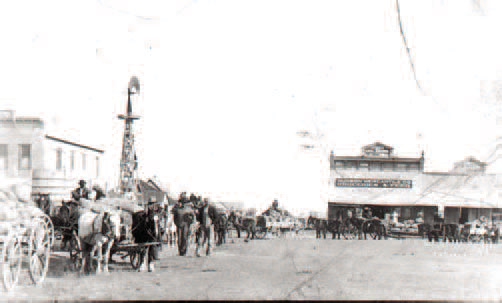
In the late 19th century, land buyers from the northern and Midwestern United States were lured to Colorado County by promises of a “tropical paradise near the Gulf of Mexico.”
Some sold their farms back home to purchase cheaper Texas acreage in a community called Rock Island.
Originally known as Crasco, after a nearby creek, the settlement was reportedly renamed Rock Island by Charles Petersen in 1897.
For some newcomers, the promised paradise turned out to have considerably more “rock” than “ island.” Nevertheless, many stayed, helping establish what would become a thriving agricultural community.
A BANK ROBBERY IN PARADISE
By 1902, Rock Island had grown enough to attract an unwelcome distinction: a bank robbery.
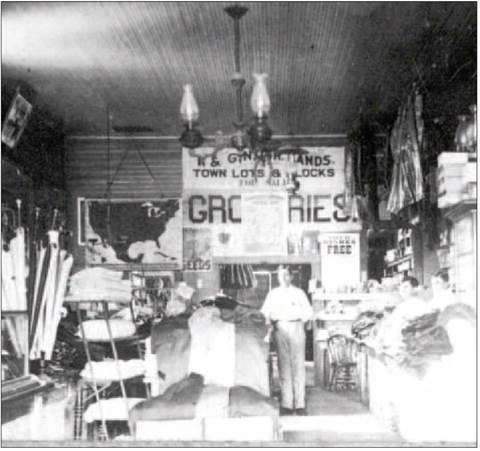
According to local historical accounts, robbers blew the door off the safe at Mr. Lundy’s bank. Lundy, who owned several businesses in Rock Island, eventually sold the bank in 1908.
By 1904, the influx of northern settlers had earned Rock Island the nickname “The Northern City of the Gulf Coast.”
The populat ion had climbed to more than 300, and crops such as potatoes, cabbage and strawberries were flourishing.
ROCK ISLAND’S GOLDEN YEARS Agricultural success brought more settlers, and land prices began to rise.
In 1906, a 160-acre farm reportedly sold for the then-remarkable price of $37 per acre. A new creamery was producing more than 400 pounds of butter daily.
The early 1900s were prosperous years for Rock Island, but the boom would not last.
Following World War I, changes in agriculture, including mechanization and the growth of larger, single-crop operations such as rice farming, contributed to the community’s decline as residents sought opportunities elsewhere.
Rock Island’s population reportedly peaked at approximately 500 in 1925.
Over time, fires and a dwindling population left portions of the once-bustling town abandoned. Rock Island eventually appeared on lists of Texas ghost towns.
GHOSTS OF ROCK ISLAND?
Although Rock Island never disappeared, stories of its past have lingered.
Remnants of former businesses, particularly near the site of Lundy’s store, have inspired tales of unexplained sights and sounds.
Local folklore includes reports of phantom figures, distant train whistles and mysterious noises said to resemble the commotion of Rock Island’s early days.
The stories remain unverified, but they add another layer to the history of a community that once attracted settlers with dreams of prosperity.
Today, Rock Island remains home to several hundred residents, an active volunteer fire department and a bingo hall. Splashway Waterpark is located just minutes away.
The bank is long gone, and the bustling commercial district belongs to another era.
But perhaps, according to local legend, a few of Rock Island’s earliest residents are still enjoying their promised tropical paradise.
Historical information for this article was drawn from TexasEscapes.com. Accounts of paranormal activity are local folklore and have not been independently verified.